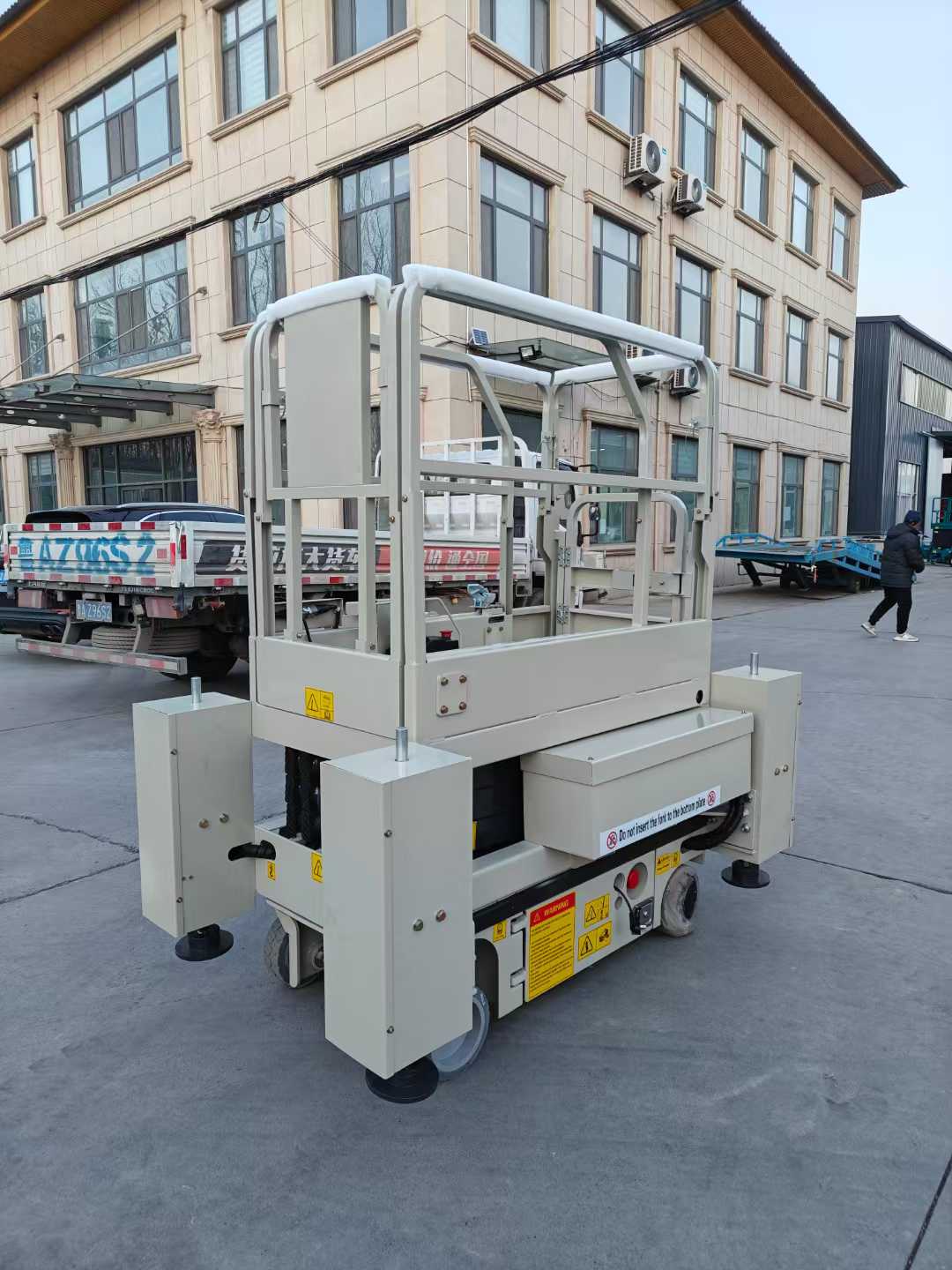
The Morning a Checklist Saved the Warehouse — Expanded Scissor Lift Story
Location: Regional distribution center, Greater Copenhagen
Role: Maja, Maintenance Lead
It was the busiest week of the month when one of the facility’s electric scissor lifts refused to raise. That single unit supported access for three packing lines; without it, teams faced slow manual workarounds and blocked aisles. A fast inspection by Maja revealed two common, preventable issues: a corroded battery terminal and low hydraulic fluid. Both were fixed on the spot, and the lift returned to service within an hour — but the close call made everyone rethink maintenance habits.
Maja credits a new routine for the quick recovery. The team had recently introduced a five-minute pre-shift checklist. A junior tech had noticed intermittent starting problems the day before and flagged the unit, allowing Maja to act before the fault escalated into a longer outage.
Why these checks matter (brief)
Battery terminals: Corrosion raises electrical resistance, causing poor starts and intermittent faults.
Hydraulic fluid: Low or contaminated fluid causes sluggish movement, heat, and premature seal wear.
Catching these early prevents downtime and expensive repairs.
Practical checklist (ready to use)
Daily (≈5 minutes)
Visual check for hydraulic leaks.
Inspect battery charge and clean terminals.
Test lift/lower, controls, and emergency stop.
Clear platform and wheels of debris.
Weekly (10–20 minutes)
Inspect hoses, fittings, and seals for wear or seepage.
Tighten loose fasteners and check cable routing.
Test emergency descent & brakes.
Monthly / usage-based
Top up or replace hydraulic oil per manual.
Lubricate pins and sliding parts; inspect bearings.
Perform battery capacity checks for electric units.
Annual
Full load test and comprehensive inspection by a qualified technician.
Replace wear items (filters, seals, hoses) as recommended.
“It wasn’t the fancy tech that saved us — it was a 5-minute habit.” — Maja, Maintenance Lead
Takeaway
A short, consistent maintenance routine prevents most common scissor-lift failures, reduces emergency repairs, and protects operator safety. Small daily habits add up to big savings in uptime and peace of mind.