2025-09-23
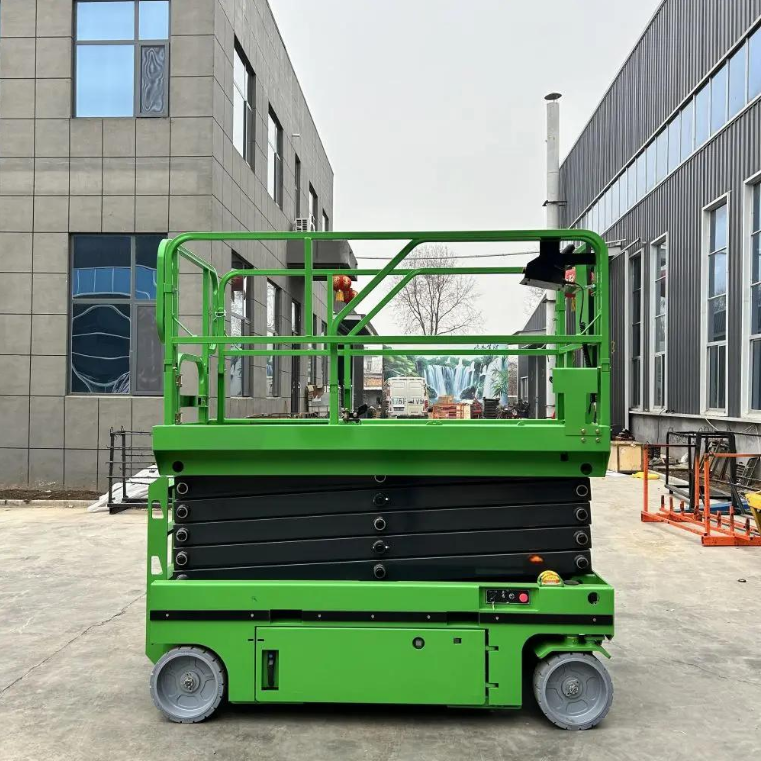
As a leading supplier of electric scissor lifts, I understand the importance of proper storage for these valuable pieces of equipment. Electric scissor lifts are versatile machines used in various industries, from construction and maintenance to warehousing and logistics. Ensuring they are stored correctly not only extends their lifespan but also guarantees their safe and efficient operation when needed. In this blog, I’ll share some essential tips on how to store an electric scissor lift effectively. 1. Clean the Electric Scissor Lift Thoroughly Before storing the electric scissor lift, it’s crucial to clean it thoroughly. Dirt, debris, and other contaminants can accumulate on the lift during use, which may cause corrosion and damage over time. Start by removing any loose dirt and debris from the platform, rails, and other components using a brush or compressed air. Then, use a mild detergent and water to clean the surfaces, paying special attention to areas prone to rust, such as the hydraulic cylinders and the frame. Rinse the lift with clean water and dry it completely to prevent water spots and corrosion. 2. Check and Maintain the Battery The battery is one of the most critical components of an electric scissor lift. Proper battery maintenance during storage is essential to ensure its longevity and performance. First, fully charge the battery before storing the lift. If the lift will be stored for an extended period, it’s recommended to remove the battery and store it separately in a cool, dry place. This helps prevent self – discharge and damage caused by extreme temperatures. Additionally, check the battery electrolyte levels regularly (if applicable) and top them up with distilled water as needed. 3. Inspect and Lubricate Moving Parts Moving parts of the electric scissor lift, such as the joints, bearings, and chains, require regular inspection and…
2025-09-22
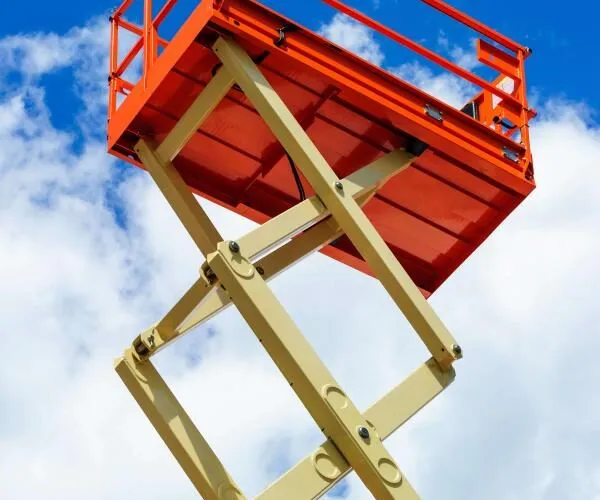
Deciding on the right Mobile Elevating Work Platform (MEWP) for your project is important. It is crucial that you understand the differences between the two most popular options – Boom lift vs Scissor lift. Each lift style has advantages and disadvantages based on specific requirements. This guide will compare both styles of lifts, helping you determine the best way to decide on each and highlighting important MEWP guidelines for safe use. Boom Lift vs Scissor Lift | Key Differences Before looking at the differences, it is important to understand that both scissor lifts and boom lifts offer distinct advantages. By understanding these differences, you can choose the right lift style while following MEWP guidelines to ensure safe operation and optimal performance. Range of Motion Boom Lift: Provides both vertical and horizontal reach, perfect for reaching difficult areas or working over obstacles. Scissor Lift: Only offers vertical movement, ideal for stable, direct-up tasks with no need for horizontal reach. Height and Reach Boom Lift: Reaching up to 185ft, making them ideal for large-scale tasks when at height. Scissor Lift: Reaching up to 20-60ft, making them ideal for smaller height requirements. Size and Maneuverability Boom Lift: Larger and require more space when providing flexible positioning Scissor Lift: Compact and manoeuvrable, making them ideal for tight indoor areas. Applications Understanding the specific applications of boom lifts and scissor lifts is important for selecting the correct MEWP for your project. Below, you can find some examples of each: Boom Lift Applications Construction and Building Maintenance: Used for tasks such as installing steel beams and working on high buildings. Roofing and Exterior Building Work: Providing roof installation and repairs access. Event: Used for setting up stages, lighting and banners.g up stages, lighting and banners. Scissor Lift Applications Construction Projects: Ideal for framing and putting materials together. Manufacturing and Warehousing: Ideal for reaching…
2025-09-19
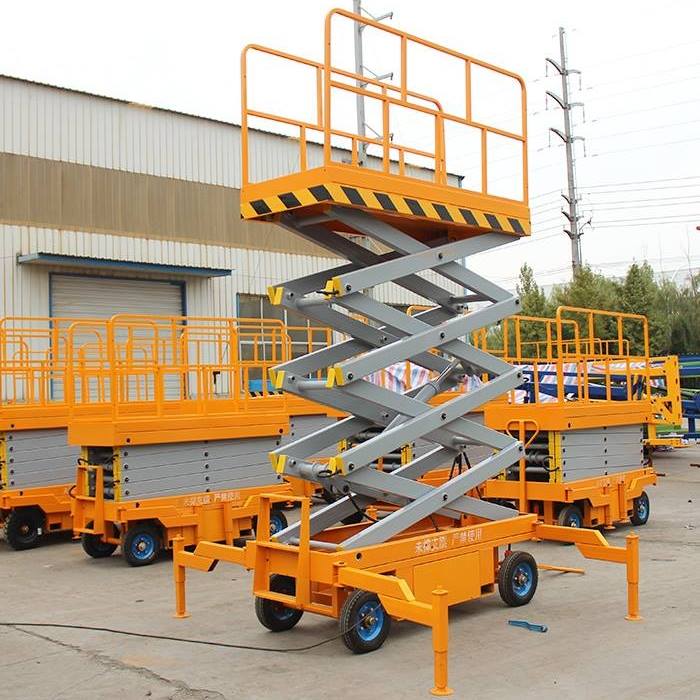
In a centuries-old museum tucked into a narrow street of Porto, facilities manager Rita faced a familiar headache: every month meant climbing awkward ladders and assembling small scaffolds to change high gallery lights and swap fragile display signage. The building’s stone floors were delicate, corridors tight, and shutting galleries for hours lost visitor time and revenue. Rita remembers one late afternoon when a faulty spotlight threatened an opening-night display. “We couldn’t close the room for long, and the scaffolding would have taken half a day to set up,” she said. The team needed a safe, fast way to reach height without hauling heavy equipment through the galleries. While researching options, Rita found a compact traction (mobile) scissor lift designed for short-distance movement and lift operations. The unit could be moved by hand or driven short distances with a small DC traction motor, and it lifted on AC/DC power—perfect for the museum’s mix of indoor and temporary outdoor tasks. Most important: it had outriggers for stability, a non-marking wheelset for sensitive floors, and a small folded footprint for transport through narrow doors. They rented one to try. On day one the technician rolled the lift quietly into the gallery, deployed the outriggers, and elevated a technician with a toolbox to the spotlight in minutes. The light was replaced, wiring checked, and the lift was stowed away before the next admission slot—no scaffold, no disruption. Results were immediate: routine light and sign work that once took hours now took under 45 minutes; staff no longer had to juggle ladders or block visitor flow; and the museum avoided costly floor repairs. Rita’s verdict: “The traction scissor lift didn’t just save time — it preserved our space and let us keep the museum open.” Takeaway: For venues with fragile floors, narrow access, and frequent…
2025-09-18
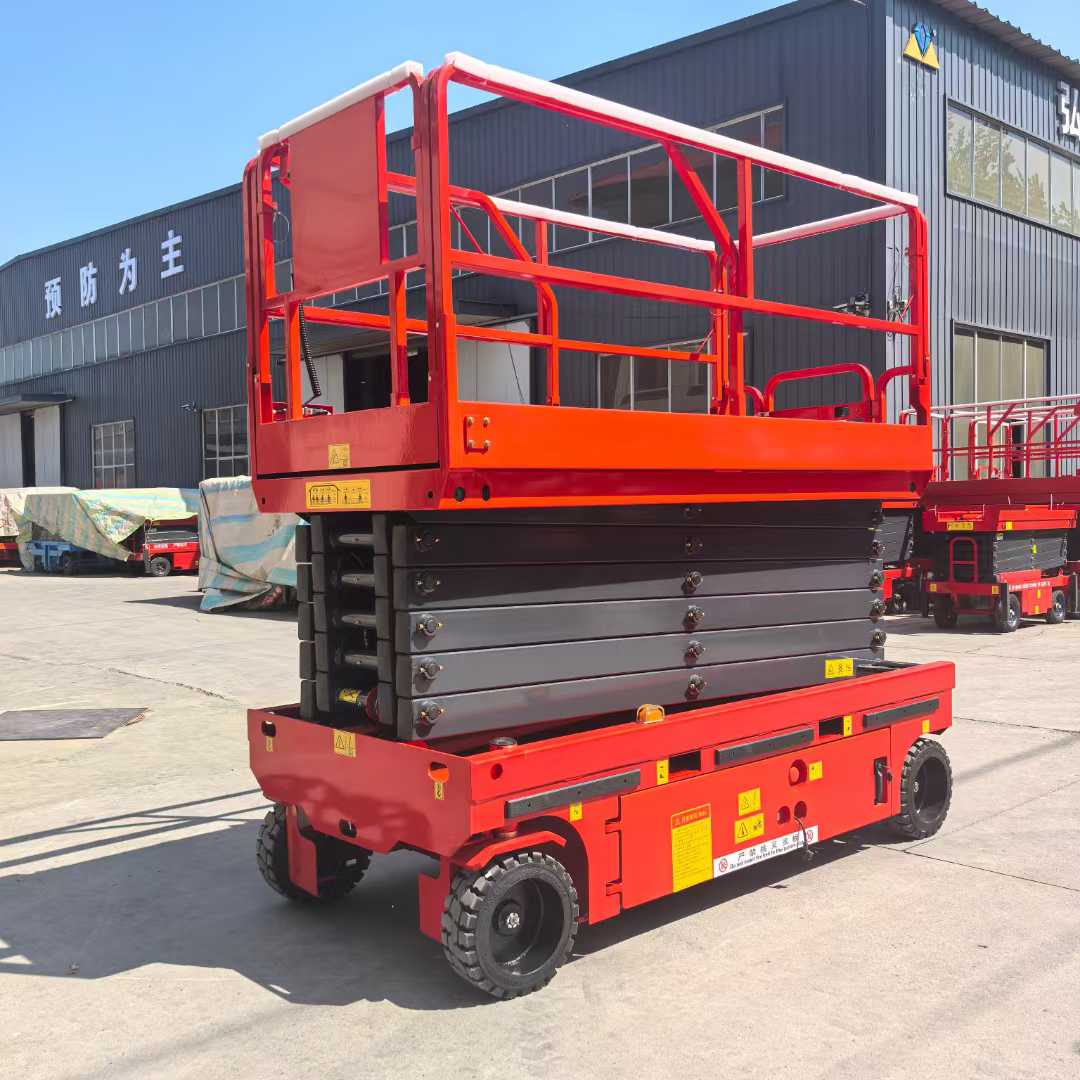
In today’s fast-paced warehouse environments, staying competitive means finding ways to enhance both productivity and safety. With growing demands for quicker turnaround times and the need to optimize every square inch of space, facilities must rely on warehouse equipment that can keep up with these challenges. Scissor lift tables have become a vital solution for businesses aiming to streamline material handling processes, reduce workplace injuries, and improve overall workflow. These reliable lifting tools offer precise height adjustments, making them ideal for a variety of tasks, from loading and unloading materials to product assembly line support. Facilities looking to buy versatile warehouse equipment find scissor lifts essential for daily operations.This post explores the many ways these flexible lifts deliver efficiency improvements and safety benefits in warehouse settings. Contact MAYA to discuss your warehouse needs. We’ll help you find the perfect scissor lift table solution for your facility. Create a Next-Level Warehouse with Scissor Lift Tables Savvy warehouse managers understand that a safe and productive environment is the key to operational success. Scissor lift tables offer a reliable and effective way to handle heavy loads, reduce strain on workers, and increase overall efficiency. With applications across diverse industries, these versatile tools help warehouses meet demand without compromising safety. The Role of Scissor Lift Tables in Modern Warehousing As warehouse demands change and grow, so does the need for adaptable, safe lifting solutions. Unlike other equipment, scissor lift tables can be tailored to enhance warehouse operations at multiple levels—from speeding up material handling to minimizing worker fatigue. Their adjustable height settings and sturdy platforms enable workers to handle goods of various sizes without strain, making them a valuable asset for any facility looking to modernize its operations. With the capacity to lift and lower materials seamlessly, scissor lifts facilitate a smoother flow of products…
2025-09-17
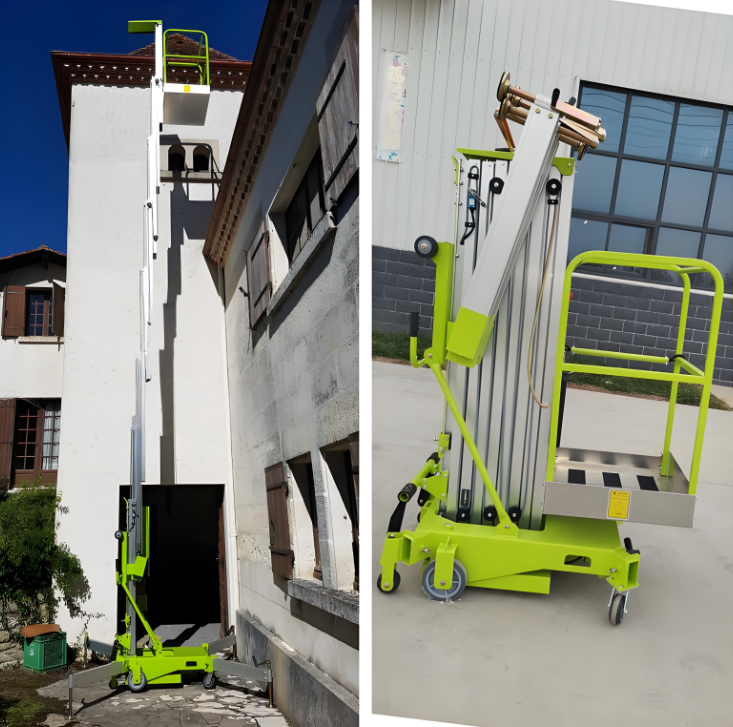
Lightweight Power: Why Single-Mast Aluminum Push-Around Lifts Are a Smart Choice Single-mast push-around vertical mast lifts are compact, user-friendly platforms used across industries for tasks like maintenance, installation, repair and cleaning. Recently, one of our Belgian customers purchased a MAYA-10H in July 2025, custom-finished in green per his request. He uses it for home maintenance — exterior painting and roof repairs — and was so pleased with both the performance and appearance that he shared a photo with us. We’re grateful for his feedback and delighted it met his needs. Built for tight spaces and easy handling The primary benefit of a single-mast aluminum lift is its light weight and compact footprint. Built from aluminum alloy, these units are easy to maneuver by hand and simple to load into a van. Their small size makes them ideal for confined environments or areas with fragile surfaces where larger machines would be impractical. When not in use, they require minimal storage space — an advantage for contractors and small businesses. Smooth, stable lifting performance Despite their compact form, single-mast lifts offer a stable and well-balanced lifting action. The single-mast design reduces wobble and lateral movement, providing a comfortable and secure platform for operators working at height. This stability is important for precision tasks such as painting trim, replacing tiles, or performing roof repairs. Built-in safety you can trust Safety features come standard: guardrails protect operators on the platform; emergency stop controls let users immediately halt movement; and overload protection prevents operation when the weight limit is exceeded. Together, these systems significantly reduce the risk of accidents on site and help meet standard safety expectations. Versatile for many tasks and environments Single-mast aluminum lifts are highly versatile. They’re commonly used for painting, cleaning, light installation, and routine maintenance — indoors and out. Their…
2025-09-11
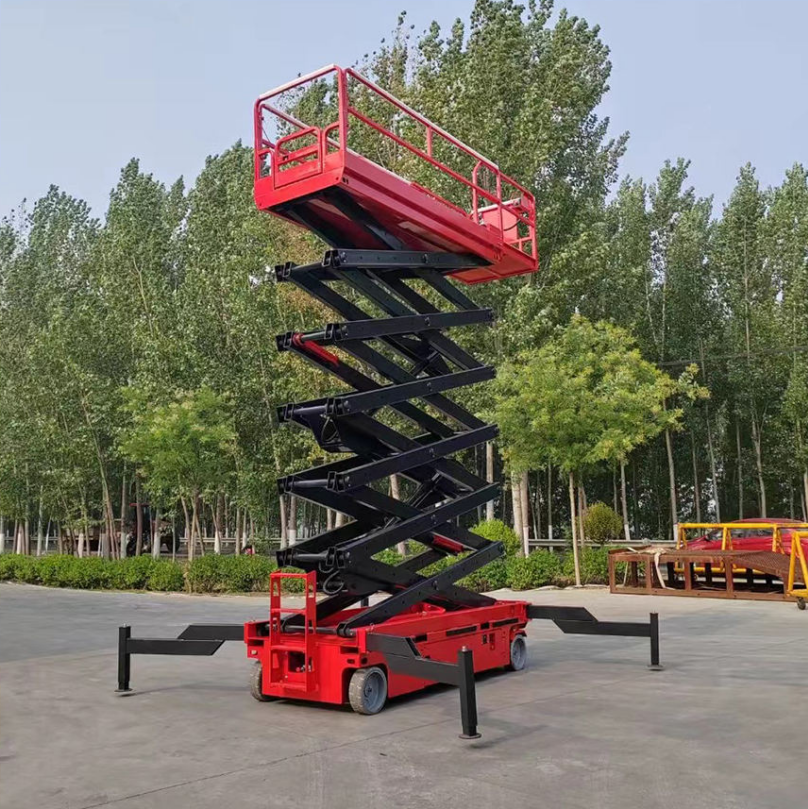
Introduction In the world of aerial work platforms, mobile scissor lifts are becoming a preferred choice for businesses across various industries. Whether it’s for maintenance, installation, or warehouse work, these versatile machines provide a safe, efficient, and cost-effective solution for reaching elevated work areas. In this blog, we’ll dive into the features, benefits, and common uses of mobile scissor lifts, exploring why they’re a must-have for many modern work environments. What is a Mobile Scissor Lift? A mobile scissor lift is a type of aerial work platform designed to elevate workers and equipment to high places. Unlike other lifts, mobile scissor lifts are typically powered by electric motors or hydraulic systems that allow for easy movement and positioning. They are often equipped with wheels, enabling them to be moved manually or via a traction drive system. The term “scissor” refers to the lifting mechanism, where the platform rises and lowers through a crisscrossing set of arms resembling a pair of scissors. Key Features of Mobile Scissor Lifts Portability and Easy Movement One of the most significant advantages of mobile scissor lifts is their portability. With built-in wheels or a traction drive system, operators can easily move them across the floor of warehouses, factory floors, or construction sites. Depending on the model, they can be moved by hand or via a small electric motor for longer distances. Versatile Height Range Mobile scissor lifts are available in a variety of sizes, ranging from small units with a working height of around 10 feet to larger units that can reach up to 40 feet. This height flexibility allows operators to choose the right lift for their specific task, whether it’s a low-level maintenance task or a larger-scale project requiring higher access. Easy-to-Operate Control Panel These lifts come with a user-friendly control panel that…
2025-09-08
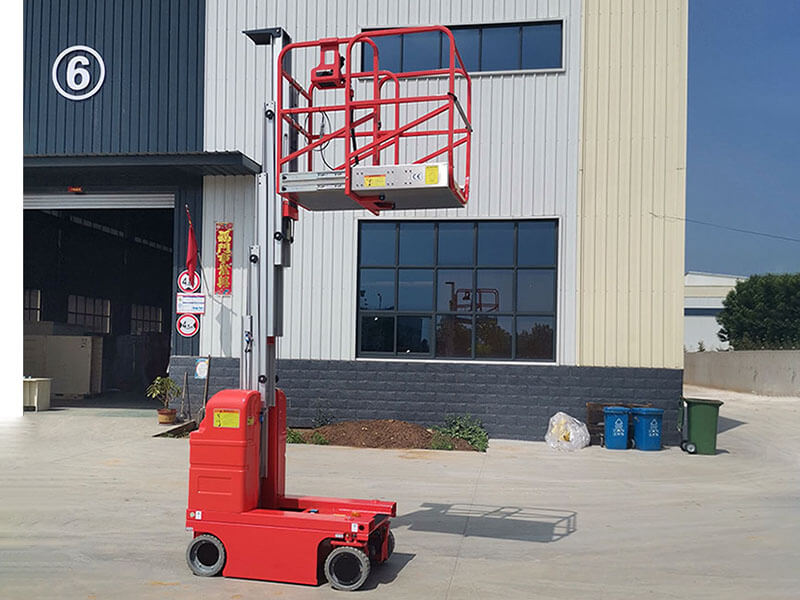
A municipal case study showing faster setups, less pavement damage, and safer work at height. In a coastal Portuguese town famed for its narrow cobbled streets and centuries-old plazas, the municipal works team faced a stubborn problem every festival season: hanging lights, repairing street lamps, and decorating historic façades without damaging the delicate paving or blocking traffic. Heavy machinery left scuff marks on the stone; scaffolding took days to erect and disrupted shops and cafés. The team needed a solution that was light, fast, and gentle on old surfaces. The municipal maintenance manager, Ana, discovered an aluminum alloy lift after seeing a compact demo at a regional public-works fair. The lift’s combination of a lightweight frame, compact folded footprint, and corrosion-resistant finish seemed to match the town’s constraints perfectly. After arranging a one-week rental for the annual midsummer celebration, the unit was shipped and deployed to the town square. Why the aluminum alloy lift was a fit Aluminum alloy construction makes the machine significantly lighter than steel alternatives, allowing: Easier transport and manual positioning with a small van. Lower contact pressure on cobbles and paving, minimizing surface damage. Rapid setup and teardown that caused minimal disruption to pedestrian flow. Natural corrosion resistance for seaside conditions. The model used had a foldable mast and narrow chassis, a stable platform large enough for two technicians and tools, and an easy joystick control system. Outriggers provided extra stability where needed, yet the overall footprint remained small. On-site results (first week) The lift’s impact was immediate and measurable: Setup time per task dropped from an average of 3–4 hours (scaffolding) to under 90 minutes. Street closures were reduced to short rolling operations instead of full-day shutdowns. Pavement damage reports fell to zero — the lighter machine left no discernible marks. Crew requirement shrank: tasks…
2025-09-05
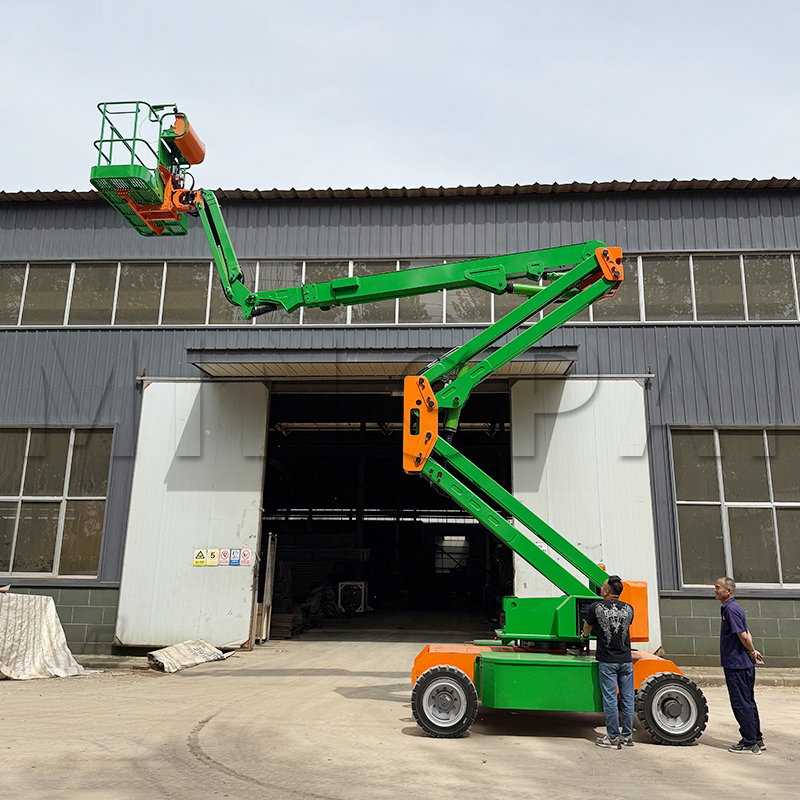
In Milan, a mid-sized façade-restoration crew led by site manager Luca was stuck on a job that should have been routine: replace damaged cornices and repair window frames on a narrow, six-story apartment block. Traditional cranes couldn’t position themselves between parked cars and street cafés, and scaffolding would take days to erect — time the landlord didn’t have and neighbors wouldn’t tolerate. Luca explained the dilemma plainly: “We could either close the street for three days or figure out a way to reach over balconies and around cornices without blocking traffic.” That’s when the project’s rental partner suggested trying an articulating (knuckle) boom lift for the first time. Why the knuckle worked Unlike a straight telescopic boom, the articulated boom has multiple hinged segments (the “knuckles”), allowing precise “up-and-over” movements. The unit they rented had a compact chassis, full 360° turret rotation, and an articulating arm that could bend to swing the platform around obstacles while keeping the base in a tight footprint on the street. Diesel-powered for extended run time, it also featured a smooth joystick control and a high-capacity platform that could hold two technicians and their tools. The first day on site The lift arrived mid-morning. With minimal setup — outriggers deployed and a quick safety briefing — the operator parked the machine on the sidewalk. Within minutes, the platform nose-over the balcony, the locksmith and stoneworker accessed the repair point, and work began without disrupting pedestrians or café service. What would have been a full three-day scaffolding project finished in under a day and a half. Real results Street closure time: reduced from 3 days to 1.5 days Crew size for the task: reduced from 4 to 2 (operator + technician) Neighbor complaints: none; business hours unaffected Safety incidents: zero, thanks to harness anchorage and stable…
2025-09-03
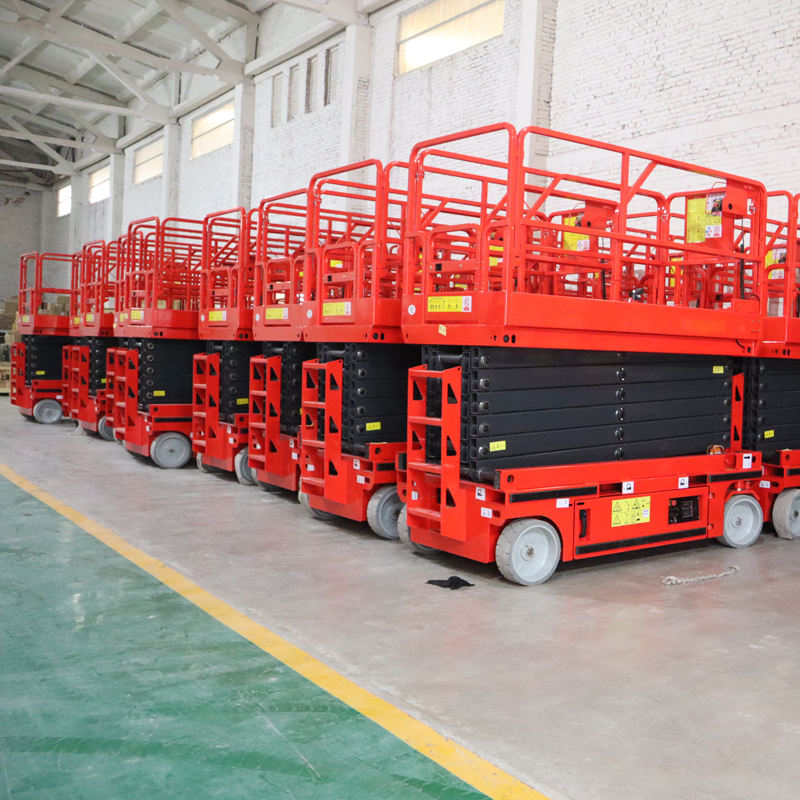
Customer: GreenField Logistics (Kenya)Equipment: 6 × 10m electric scissor liftsShipping origin / export port: Shenzhen, China (FOB)Destination port / customs: Mombasa, Kenya (sea freight), final delivery to Nairobi warehouseDelivery timeline: order signed → 18 days production → packing & shipment → ~3 weeks sea transit → customs clearance & delivery Background — a recurring “height bottleneck” GreenField is a third-party warehousing and distribution operator. As their clients and inventory grew, rack heights increased, and their old temporary platforms and ladders caused frequent aisle blockages during picking, stocktakes, and lighting maintenance — wasting time and increasing safety risks. Decision process — why they chose electric scissor lifts After comparing models, GreenField selected 10m electric scissor lifts because they are zero-emission for indoor use, compact enough to operate in narrow aisles, and offer sufficient load capacity and platform area for tools and supplies. The supplier provided an on-site demo, load charts, and quick training, which helped finalize the purchase. Export & delivery (key points) Production and QC were completed per contract; the 6 units were packed into 40ft and 20ft containers. Shipment was arranged by sea to Mombasa; the supplier handled commercial invoice, packing list, and certificate of origin, and engaged a local customs broker to process import formalities. After clearance, trucks transported the units to Nairobi where the technical team completed assembly, function testing, and a brief operator training session. Go-live impact — immediate, measurable change Average aisle downtime per task dropped from 45–60 minutes to 8–12 minutes. Single operators could now perform tasks that previously required two people for high-rack picking and light replacement. With faster, safer deployment, the warehouse saw a clear reduction in overtime hours that month and smoother operations overall. Customer feedback (excerpt): “These scissor lifts doubled our maintenance and stocktake efficiency; the payback came faster than…
2025-09-02
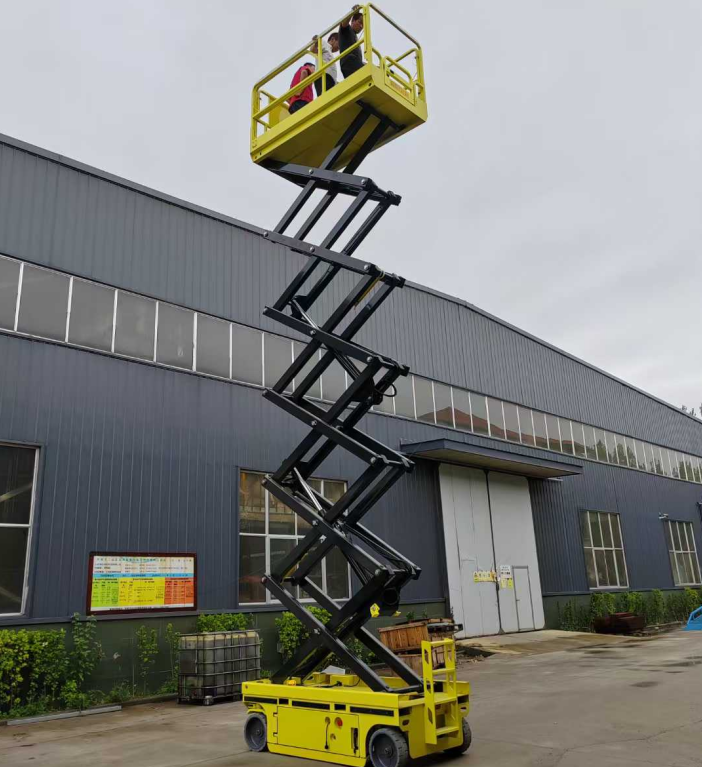
Modern scissor lifts are curleasely used for work both inside and outside buildings. The reliability and ease of maintenance of these devices make them valued equipment in small and large construction companies, as well as in car workshops. Where, which lift works best? When choosing a device for working at height should be taken into account frequency of use and scope of workto be carried out using it. It is also important to define the expected working height and the number of employees, who will be using the machine at the same time. You should also pay attention to scissor lift dimensions, including its width and height, which will eliminate any difficulties in getting to the place where the work is to be carried out. Since part of scissor platforms is intended for indoor use only, it should also be specified whether the equipment is to be used indoors, outdoors or both. Outdoor scissor lifts For outdoor work, in more difficult terrain conditions, combustion scissor lifts are designed. Equipped with diesel engines, they have more power than electric scissor lifts. Four-wheel drive guarantees good traction, therefore lifts of this type can move without any problems even on unstable surfaces. Scissor lifts with combustion engines are used for installation work related to painting, cleaning, glass installation, as well as welding and preparing structures for electrical, ventilation or telecommunications installations. The class of mobile scissor lifts supplied by renowned manufacturers is high, so in addition to buying new devices, you can decide to purchase, for example, used scissor car lifts that will work perfectly for many years. Indoor scissor lifts The general rule is that if a scissor lift is to operate inside a hall, it should not be powered by a combustion engine. Electric scissor lifts, due to the electric drive, non-marking tires, no exhaust emissions and low noise level, they are…