2025-06-08
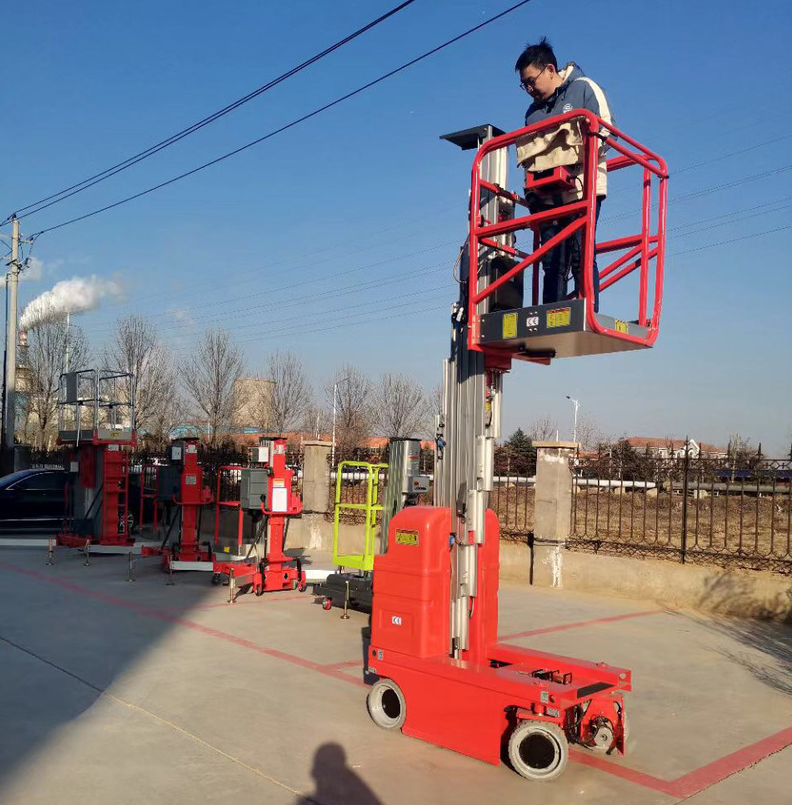
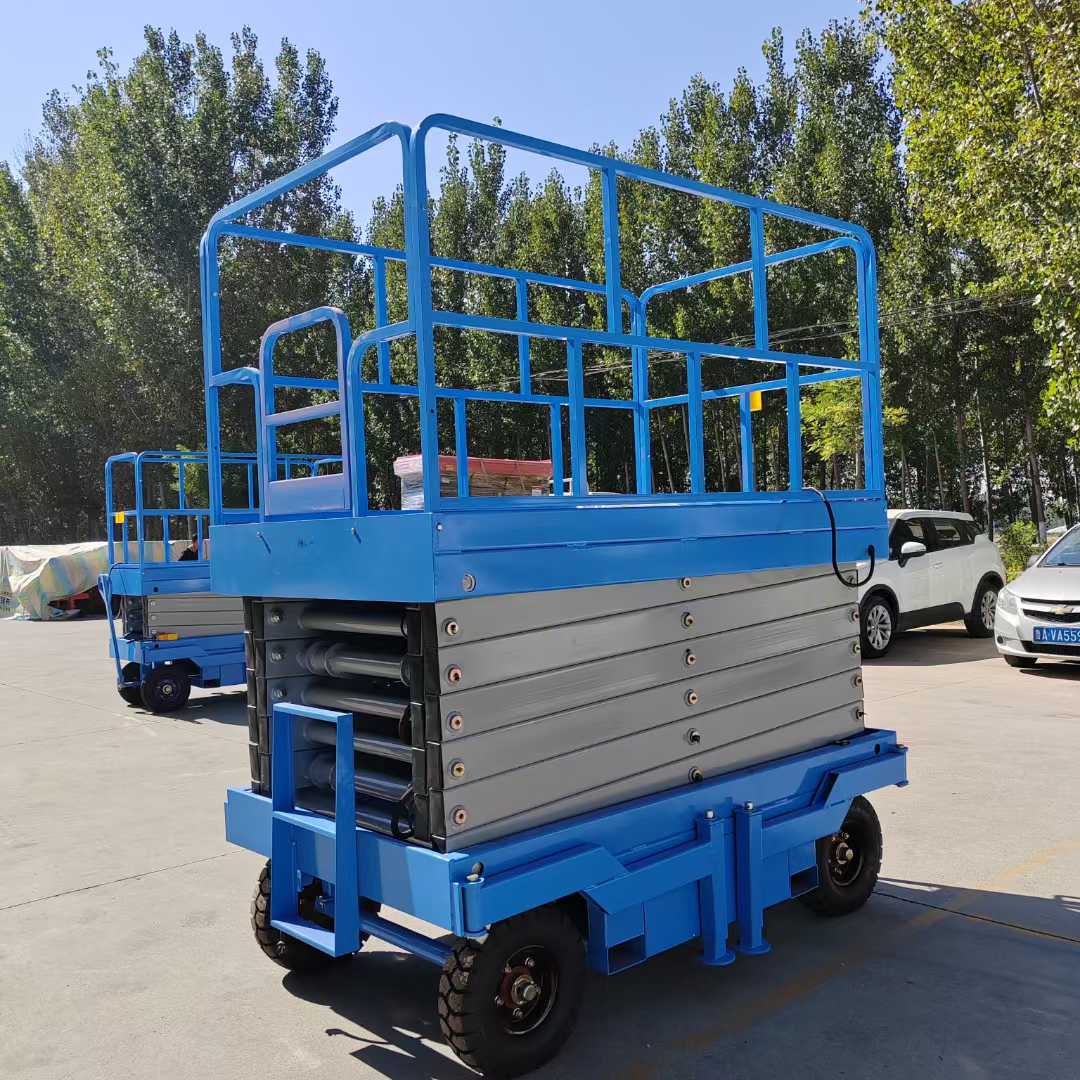
In Toledo, Spain, Elena — the municipal maintenance manager — faced a recurring headache: every festival the town square needed strings of lights, set pieces, or repairs to the old bridge lamps, and her team always struggled with moving heavy equipment, blocking streets, and erecting temporary scaffolding. The paved surfaces were fragile, heavy machinery left marks, and narrow lanes prevented large lifting vehicles from getting in, making the work slow and disruptive. At a trade show, Elena spotted an aluminum alloy lift. It was lightweight, foldable, easy to handle, and transportable in a small truck; the aluminum resisted corrosion, making it suitable for outdoor long-term use. After talking with the supplier and seeing a live demo, she decided to rent one for a week of festival installations. The result exceeded expectations. The lift navigated narrow alleys, safely hoisted lighting technicians and tools, and the platform fit two operators plus required equipment. Compared with building scaffolding, a single job went from a half-day to under two hours, and street disruption was minimal. Crucially, because the machine was light, it exerted low pressure on the paving and left almost no marks. Elena commented: “This aluminum alloy lift made our festival setups fast and dignified. It’s compact yet stable, and it truly solved the three big problems of access, load, and pavement damage.” Why an aluminum alloy lift fits these scenarios Light and portable: easy to load and move for short distances. Corrosion resistant and durable: suitable for coastal or humid environments. Pavement friendly: lower contact pressure reduces damage to paved surfaces. Quick deployment: fast to set up, shortening preparation time. Brief maintenance tips (must-do) Regularly inspect rivets/welds and protective coating; Follow the manual for checks on the hydraulic system, battery, and control buttons; Keep the platform and guide rails clean to prevent…
2025-05-21
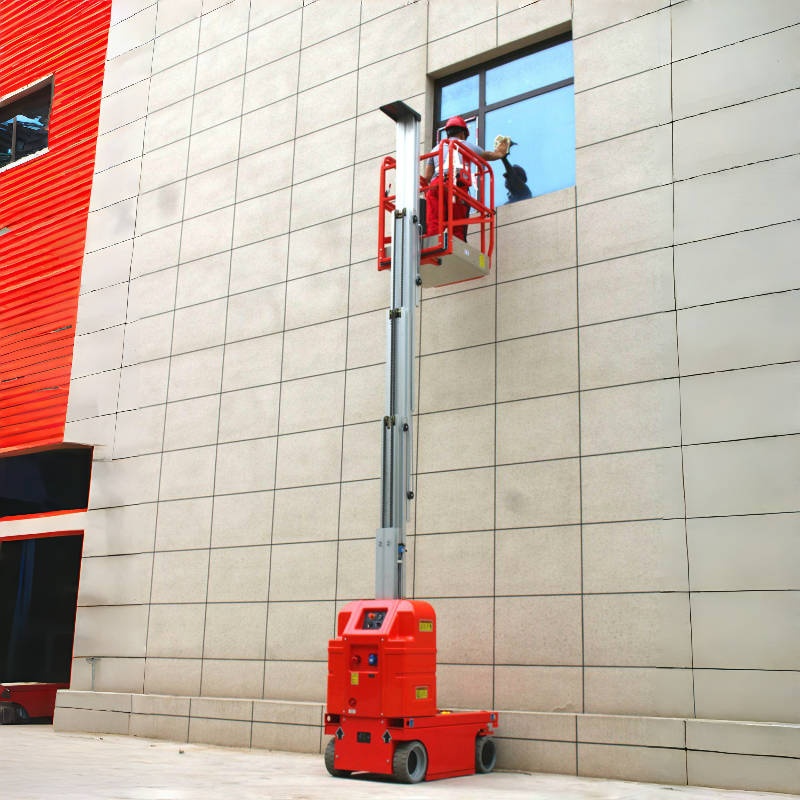
Lifting equipment is commonly used in construction projects for various purposes. Two common types of lifts, the vertical mast lift and the scissor lift, are frequently utilized due to their safe and efficient nature. These lifts provide elevated access for workers to safely perform tasks at heights, such as construction, maintenance, installations, or repairs. Each type of lift offers unique advantages and use cases, so it’s essential to understand the differences between a mast and a scissor lift. In this article, we have compiled a comprehensive guide to help you compare the two types of lifts. This guide will assist you in better understanding their functions and deciding when to use a vertical mast lift or a scissor lift for a specific project. Maneuverability and Size Vertical mast lifts and scissor lifts differ mainly in their size and maneuverability. Vertical mast lifts are smaller and more compact, making them suitable for narrow spaces such as indoor construction projects, maintenance work in narrow aisles, and congested job sites where larger equipment cannot operate. On the other hand, scissor lifts are larger and require more space to operate, but they can carry heavier loads Versatility in Construction Tasks Vertical mast and scissor lifts have unique strengths tailored to specific construction tasks. Both lift types offer valuable solutions for various construction needs, helping teams to work efficiently and effectively. Smaller vertical mast lifts work best for quickly reaching specific areas for maintenance, electrical work, or installations, making them ideal for dynamic, small-scale construction projects. Their agility and versatility make moving smaller loads across a site fast and easy. Meanwhile, scissor lifts are best for tasks demanding larger work platforms and heavy load-lifting capabilities. Height and Reach Capabilities Reach and height capabilities for these lifts should also be taken into consideration when deciding which…
2025-03-26
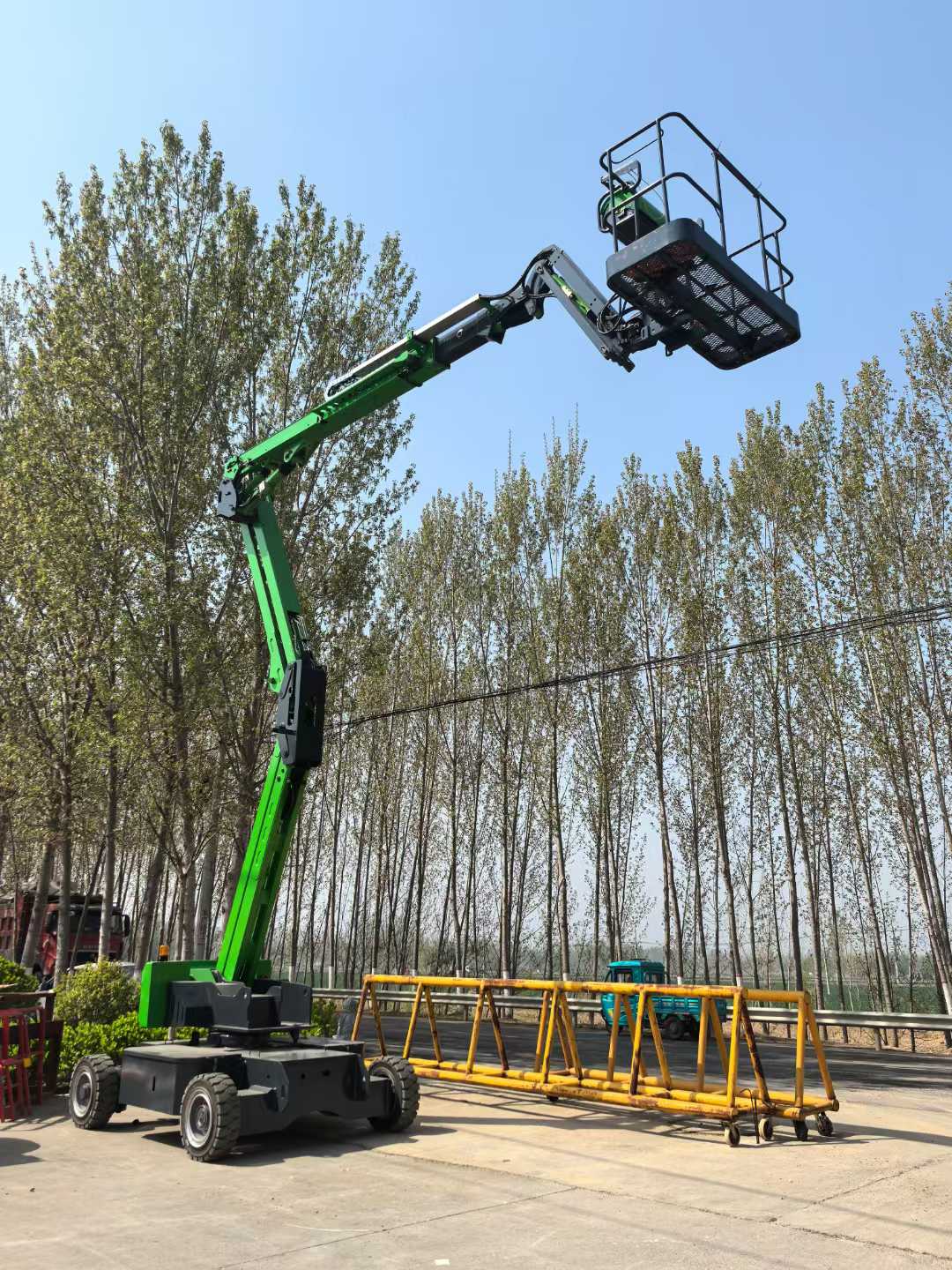
Though originally designed for fruit picking throughout orchards, cherry pickers are incredibly versatile pieces of equipment that not only offer safety when working at heights, but also provide a far more flexible alternative to scaffolding and ladders. Relatively easy to operate, fast to set up and offering unrivalled mobility, hiring a cherry picker can save you time and money, and be used in any industry for any application where it’s essential to work safely up high. So what are the best uses for a cherry picker? Utility Work Cherry pickers are great option when overhead cables, telephone or power lines and street lights need to be serviced or repaired. A cherry picker lifts the worker to the proper location quickly and allows them to easily navigate overhead obstacles. Tree Trimming Perfect for trimming tall trees in private or public places, a cherry picker enables the worker to reach all areas of the tree that need to be trimmed from the bottom to the very top. Building Painting and Maintenance A cherry picker provides a great alternative to scaffolding or ladders. Allows the painter or cleaner to position themselves safely as needed to complete the job in a fast and efficient manner, a cherry picker also has a convenient platform for safely holding paint and cleaning products. Window Washing Raising workers to individual windows quickly, cherry pickers are a great option when a building has expansion joints or signage which would prohibit work being done on traditional scaffolding. Roofing or Gutter Repairs Perfect for roof and gutter jobs on larger homes and commercial buildings. These areas often require maintenance without any disturbance to the area below (such as garden beds). The cherry picker can easily manoeuvre around obstacles allowing the repair to be completed successfully and without damage to the below…
2025-02-14
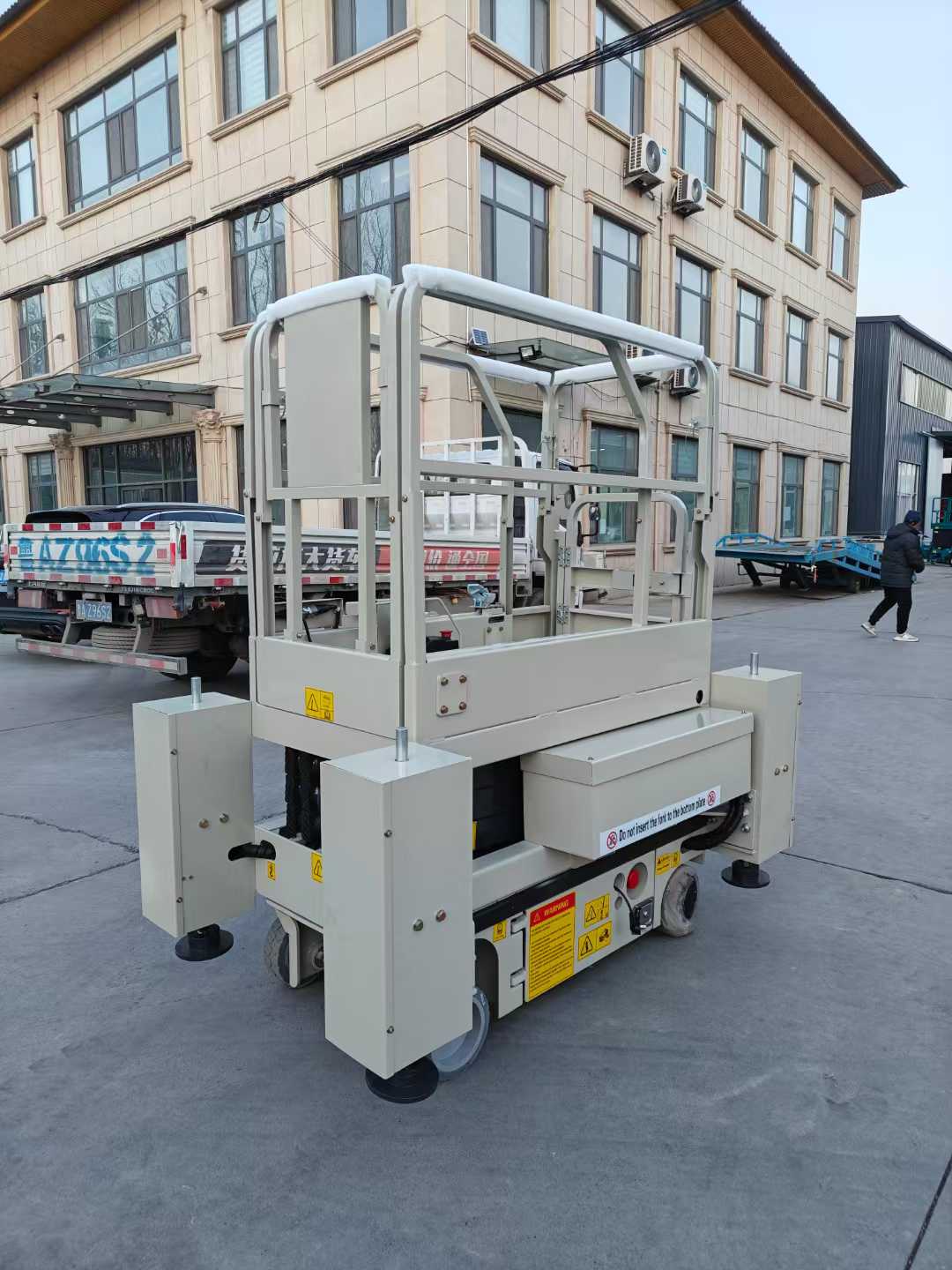
The Morning a Checklist Saved the Warehouse — Expanded Scissor Lift Story Location: Regional distribution center, Greater Copenhagen Role: Maja, Maintenance Lead It was the busiest week of the month when one of the facility’s electric scissor lifts refused to raise. That single unit supported access for three packing lines; without it, teams faced slow manual workarounds and blocked aisles. A fast inspection by Maja revealed two common, preventable issues: a corroded battery terminal and low hydraulic fluid. Both were fixed on the spot, and the lift returned to service within an hour — but the close call made everyone rethink maintenance habits. Maja credits a new routine for the quick recovery. The team had recently introduced a five-minute pre-shift checklist. A junior tech had noticed intermittent starting problems the day before and flagged the unit, allowing Maja to act before the fault escalated into a longer outage. Why these checks matter (brief) Battery terminals: Corrosion raises electrical resistance, causing poor starts and intermittent faults. Hydraulic fluid: Low or contaminated fluid causes sluggish movement, heat, and premature seal wear. Catching these early prevents downtime and expensive repairs. Practical checklist (ready to use) Daily (≈5 minutes) Visual check for hydraulic leaks. Inspect battery charge and clean terminals. Test lift/lower, controls, and emergency stop. Clear platform and wheels of debris. Weekly (10–20 minutes) Inspect hoses, fittings, and seals for wear or seepage. Tighten loose fasteners and check cable routing. Test emergency descent & brakes. Monthly / usage-based Top up or replace hydraulic oil per manual. Lubricate pins and sliding parts; inspect bearings. Perform battery capacity checks for electric units. Annual Full load test and comprehensive inspection by a qualified technician. Replace wear items (filters, seals, hoses) as recommended. “It wasn’t the fancy tech that saved us — it was a 5-minute habit.”…
2025-01-17
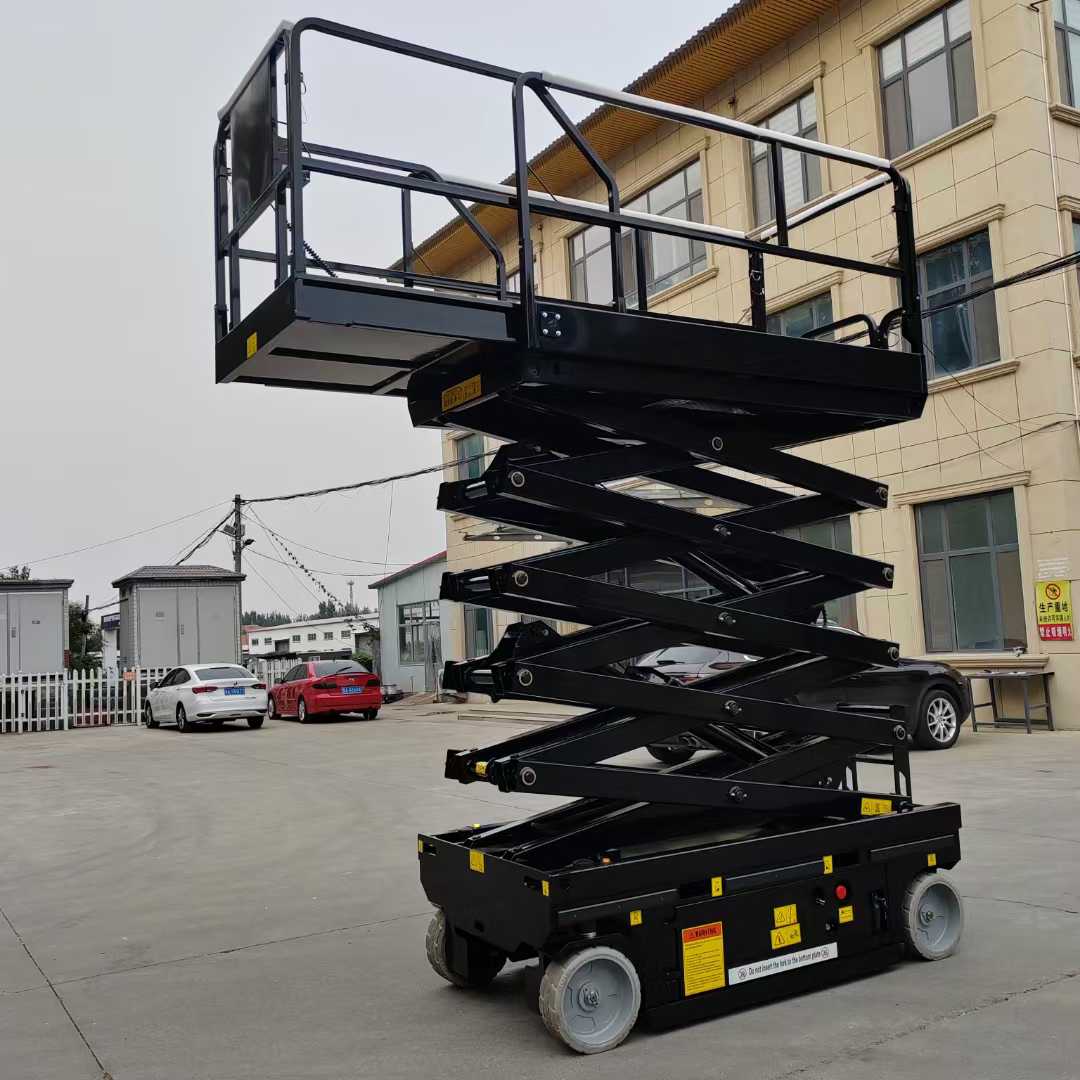
Regular maintenance keeps scissor lifts safe, reliable, and long-lived. Below is a concise, easy-to-follow guide you can use as a refresher or hand out to operators and maintenance staff. Quick overview Scissor lifts require routine visual checks, scheduled servicing, and proper storage. Follow the manufacturer’s maintenance schedule first — this guide highlights the most important daily, weekly, monthly, and annual tasks. Daily / Shift checks Do these before every shift or use: Hydraulics: Check for visible leaks and correct fluid level. Battery & electricals: Confirm charge level, clean terminals, and check connectors. Platform & safety devices: Ensure guardrails, gates, limit switches and emergency stop work. Wheels/tires & casters: Look for debris, cuts, or abnormal wear. Controls & indicators: Test buttons, joysticks and warning lights for proper function. Mnemonic: Look — Listen — Lift (visual check, run briefly, test basic lift/lower). Weekly checks Inspect hydraulic hoses, fittings and seals for cracks or seepage. Tighten loose bolts and fasteners. Test emergency descent and braking systems. Verify cable routing and insulation. Monthly checks (or per usage intensity) Check and top up hydraulic oil as specified by the manufacturer. Lubricate pins, bearings and sliding surfaces where indicated. Perform a more thorough battery capacity and charge/discharge inspection (for electric models). Annual (or manufacturer-specified) service Full inspection and load test by qualified technician. Replace wear items: seals, filters, hydraulic hoses as needed. Update maintenance log and complete any regulatory safety inspections. Cleaning & storage best practices Keep platform, undercarriage and cooling areas free of dirt and debris. Store indoors or under cover when possible; protect from extreme cold, moisture and UV. If storing long-term, follow manufacturer guidelines for battery care and hydraulic preservation. Safety & recordkeeping Stop operation immediately if you detect unusual vibration, noise, or unstable movement. Never exceed rated load; follow the load chart….
2024-12-11
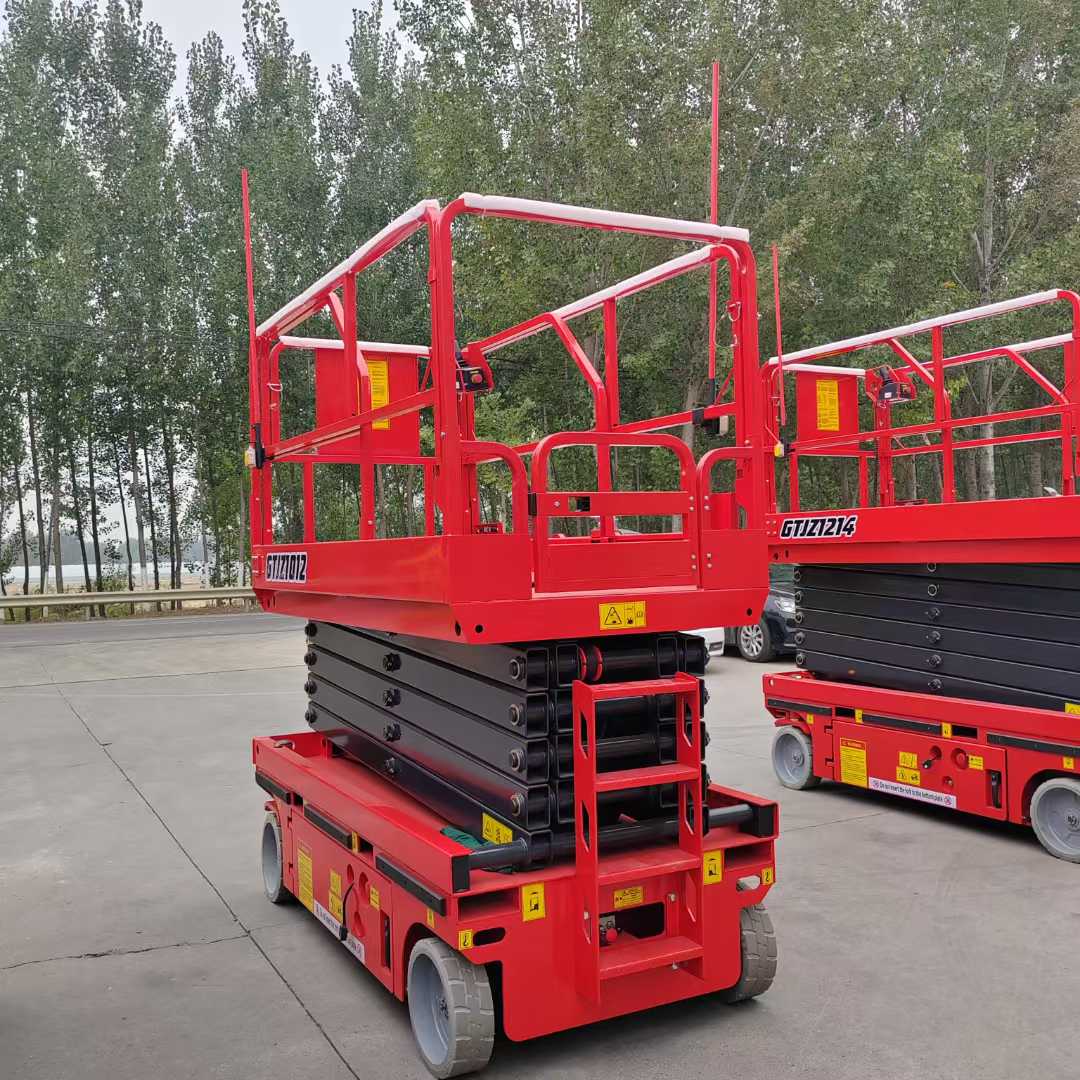
In Rotterdam, Netherlands, a regional distribution center faced a recurring bottleneck: workers struggled to access high storage racks and overhead fixtures quickly and safely. Using ladders and makeshift platforms slowed operations and created frequent safety concerns during inventory and maintenance tasks. Warehouse manager Jeroen explained that routine jobs — replacing lighting, picking stock from top shelves, and performing ceiling repairs — often required two people and interrupted busy aisles for long periods. “We lost time every day just getting someone safely up to work,” he said. In mid-2024, after evaluating options to improve throughput and safety, Jeroen contacted a local supplier and decided to trial an electric scissor lift designed for narrow-aisle warehouse use. The compact unit rolled into the facility, fitted easily between racks, and raised a single operator plus tools to the required height with steady, vibration-free motion. The impact was immediate. Tasks that previously shut an aisle for 30–60 minutes were completed in under 10 minutes with one trained operator. The lift’s solid platform allowed technicians to carry parts and tools, reducing trips up and down. Safety incidents dropped, and the team regained hours of productive work each week. Jeroen’s feedback was direct:“This small machine changed our workflow. Faster, safer, and far less disruptive — it paid for itself in weeks.” Today, the center uses different scissor lift types depending on the job: electric scissor lifts for indoor, narrow-aisle work; hydraulic models for heavy-duty lifting; and rough-terrain versions for outdoor yard maintenance. Choosing the right scissor lift helped Jeroen’s team boost efficiency, cut costs, and improve workplace safety.
2024-10-21
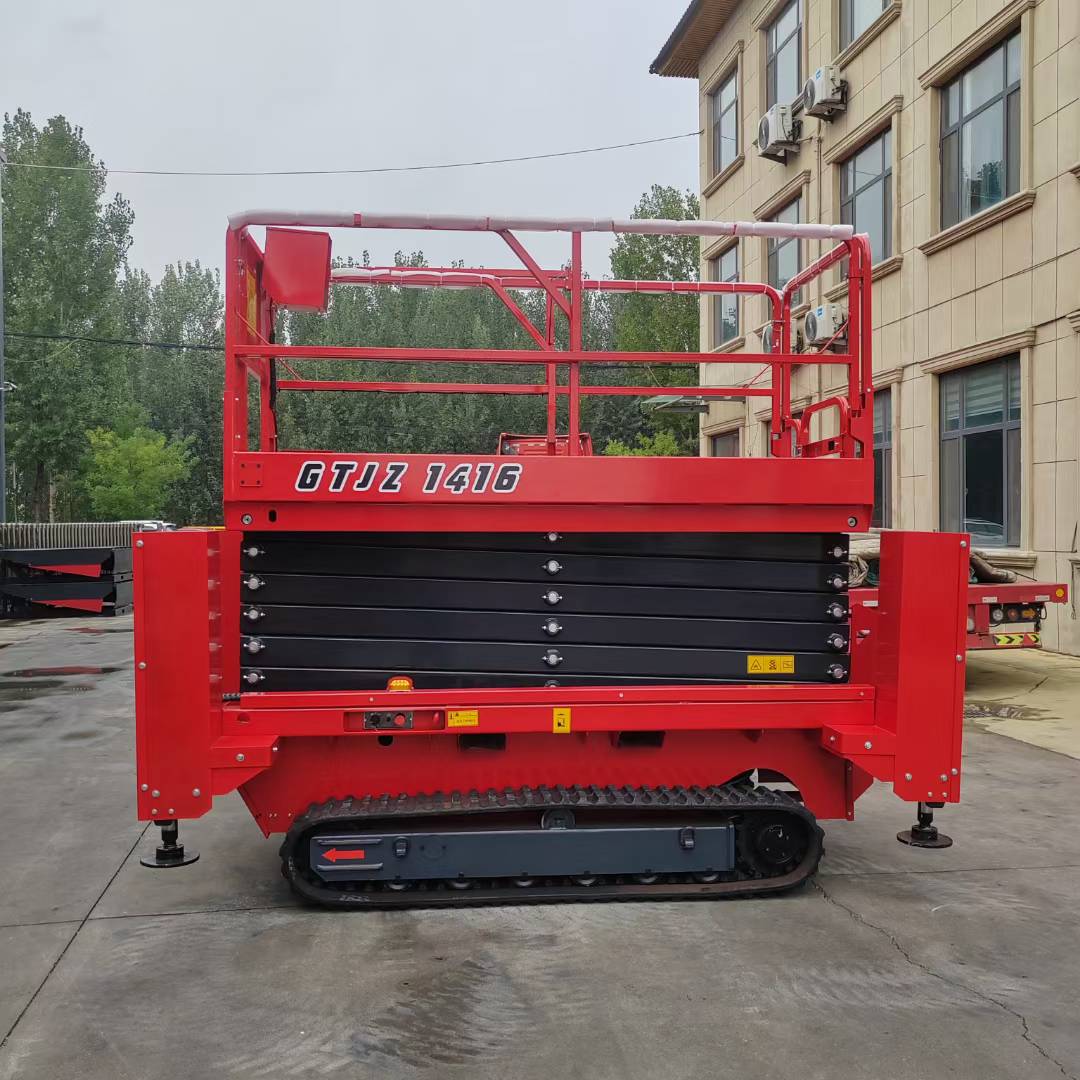
As construction and industrial activity accelerates, companies must prioritize precision and safety when working at height. Scissor lifts deliver stable, efficient lifting solutions that replace risky ladders and time-consuming scaffolding. At Maya Lift, we offer a broad range of scissor lifts designed to meet the unique needs of different sectors. Below are the five industries that gain the most from investing in the right scissor lift — and how these machines change the way they work. 1. Automotive — Faster, safer vehicle servicing Scissor lifts are a staple in automotive workshops. Compared with manual jacks, hydraulic scissor or car lifts provide a stable platform for mechanics to access the underside of vehicles for oil changes, brake repairs, exhaust work, and inspections. Maya Lift’s automotive models accommodate everything from compact cars to light trucks, increasing throughput and reducing the risk of accidents during vehicle servicing. 2. Construction — Improve speed and on-site safety Construction sites rely on aerial platforms for painting, installation, inspection, and general high-work. Scissor lifts give workers a steady work surface and reduce the need to erect scaffolding, cutting setup time and labor costs. Durable, construction-rated scissor lifts withstand harsh site conditions and deliver the reach and stability needed for a wide range of tasks. 3. Warehousing & Logistics — Efficient high-reach handling In warehouses, scissor lifts simplify tasks like replenishing high racks, performing inventory checks, and servicing overhead equipment. Compact electric models are ideal for narrow aisles, while larger platform lifts handle heavier loads. By reducing manual lifting and simplifying access to high storage, scissor lifts speed up workflows and lower injury risk. 4. Maintenance & Facilities Management — Safer, faster upkeep Facilities teams use scissor lifts for lighting changes, HVAC servicing, ceiling maintenance, and building inspections. Single-operator platforms and small-footprint lifts allow teams to complete routine…
2024-07-09
In Hamburg, Germany, a large logistics warehouse faced a recurring challenge: their team constantly needed to reach high shelves for inventory checks, light replacements, and equipment maintenance. Traditionally, workers used tall ladders or temporary scaffolding, which was not only time-consuming but also dangerous. Warehouse manager Lukas recalled, “Every time we had to change lights or check stock on the upper racks, it felt like a small project. Setting up ladders was risky, and scaffolding slowed down our entire workflow.” By late 2023, after multiple delays and even a minor accident, Lukas decided it was time to find a safer, more efficient solution. While searching for alternatives, he came across Maya Machinery’s range of scissor lifts. After speaking with Maya’s technical team, he chose a compact electric scissor lift for indoor use. The difference was immediate.On its first day, the lift allowed two workers to safely access high racks in minutes, without scaffolding or unstable ladders. The wide platform meant they could carry tools and replacement parts with them, completing tasks faster and more safely. “Honestly, it was a game-changer,” Lukas said. “Our productivity doubled, and the workers feel much safer. No more rushing up ladders with equipment in hand. The scissor lift gave us stability, safety, and speed all in one.” As months went by, the team discovered more uses: Maintenance – changing ceiling lights and servicing air-conditioning units. Logistics – conducting regular stock audits at height with minimal disruption. Events – the same lift was even used to help set up temporary displays in the warehouse’s exhibition area. Encouraged by these results, Lukas later expanded his fleet with a hydraulic scissor lift for outdoor maintenance and a rough terrain model for construction work on uneven ground. Now, scissor lifts have become an indispensable tool in their daily operations. What…
2024-04-19
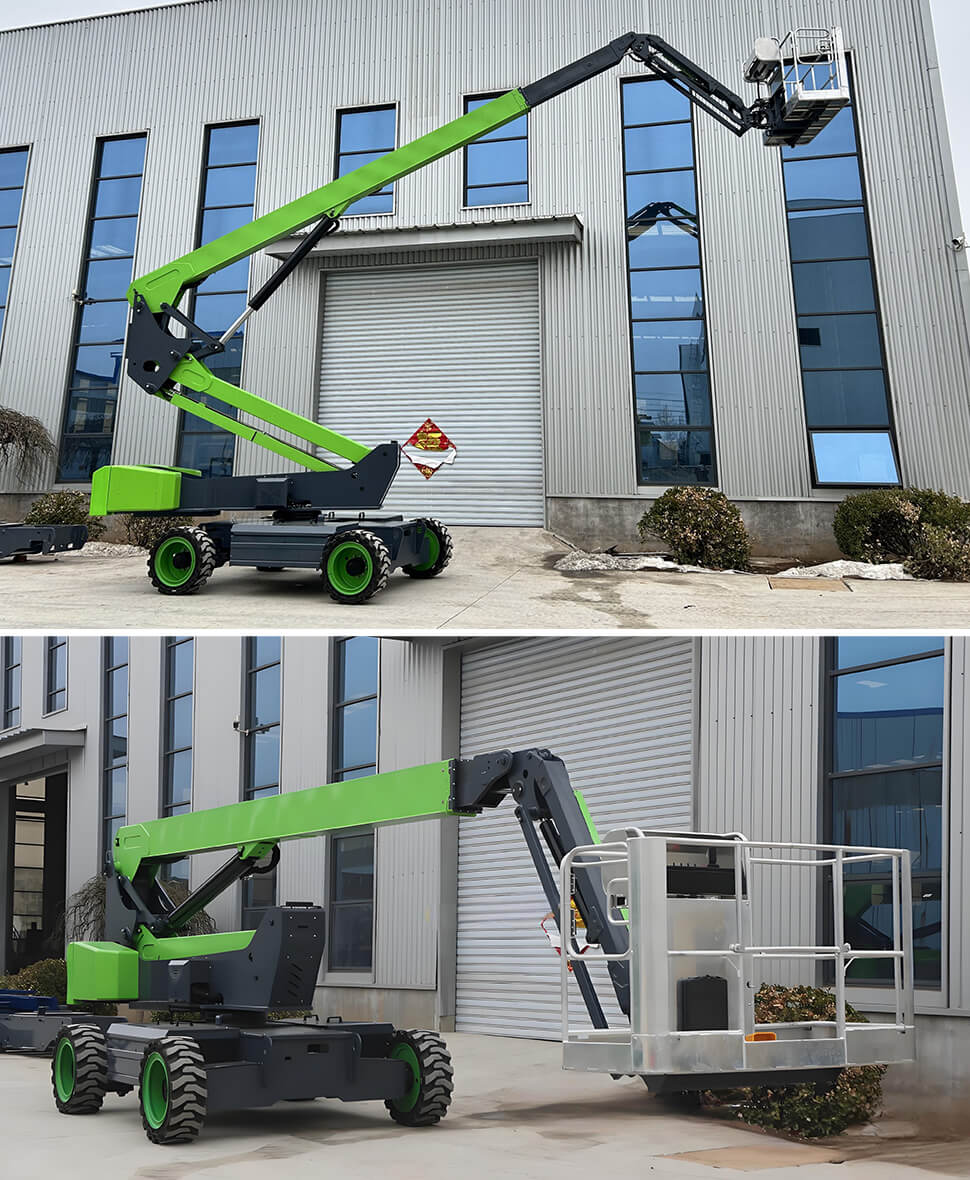
In Barcelona, Spain, a mid-sized construction company had been struggling with one of the most common challenges in their daily work: safely reaching tight and elevated areas on multi-story buildings. Traditional scaffolding was not only time-consuming to set up but also costly and inconvenient when frequent repositioning was needed. The site manager, Carlos, explained that his team often wasted hours simply assembling and moving scaffolding for maintenance, painting, and electrical repair tasks. “It slowed down every project and made even small jobs far more complicated than they should be,” he said. In early 2024, while researching for more efficient lifting equipment, Carlos discovered the boom lifts from Maya Machinery. He learned that there were different types – telescopic boom lifts for maximum height and horizontal reach, and articulating boom lifts for flexible “up-and-over” access in narrow spaces. After a consultation with Maya’s technical team, he decided to try an articulating boom lift for a renovation project in a crowded residential area. The results exceeded expectations. The articulating boom allowed workers to reach over balconies and around building corners without needing additional equipment. The swivel turntable and segmented “knuckle” design gave the team precise control, while the compact base unit required very little space on the ground. Compared with scaffolding, each job was completed in less than half the time. Carlos shared his feedback: “This machine completely changed the way we work. What used to take an entire day with scaffolding, we now finish in just a few hours. It’s safer, faster, and much more cost-effective. We’re already planning to add a telescopic boom lift next for projects that require higher reach.” Today, Maya’s boom lifts are an essential part of Carlos’s construction fleet. His team now selects different machines depending on the job: Telescopic boom lifts for maximum height and…
2024-02-12
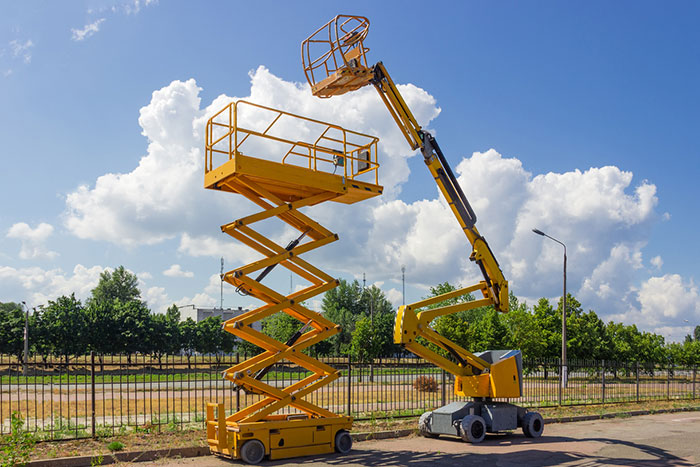
If you’ve been looking into vertical lifts, you might be wondering which one will work best for your job or project? The three types are telescopic boom lifts (straight boom lifts), articulating boom lifts (knuckle boom lifts) and trailer mounted knuckle booms. Here we will take a deeper look into each of them to help you decide which type might best suit your needs. Telescopic Boom Lifts (Straight Boom Lifts) – High and Wide A straight boom lift has one long, non-articulated mast that can be extended or retracted to reach a height or be swung into position. It’s capable of reaching high and wide, which is ideal for large, open spaces, but might be less suitable where space is limited. These lifts are suitable for a large variety of jobs including industrial maintenance, electrical work, painting, building inspections, tree trimming and any task that requires access to a multi-story building. The telescoping boom extends quickly, and the lift can be driven with the boom fully extended in some positions. Articulating Boom Lifts (Knuckle Booms) – Up and Over Featuring a mast which comes as a series of segments that connect at joints or ‘knuckles’, articulating booms offers a greater level of reach flexibility, giving workers the ability to lift themselves or various items up, over, and out with unprecedented precision. Once in the air, a knuckle boom lift can extend and bend. It features a turntable at the base that allows the boom to swivel, meaning the platform can be shifted to different areas of a worksite. The flexibility it provides makes a knuckle boom suitable for a working in a vast array of locations, including tight spaces (indoors or outdoors), around obstacles on a worksite, and around corners. The base unit can be positioned close to the job for added stability and…