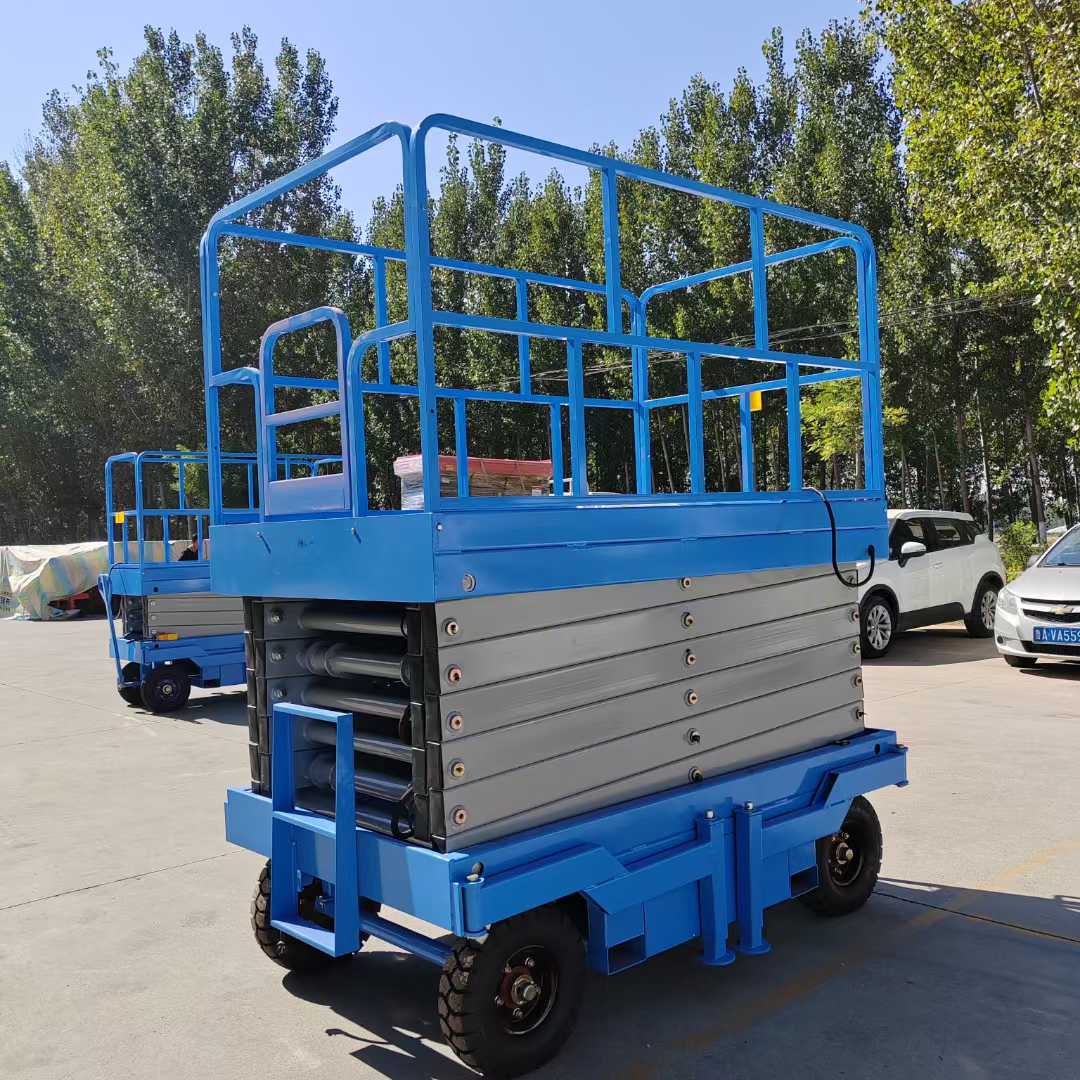
Regular maintenance keeps scissor lifts safe, reliable, and long-lived. Below is a concise, easy-to-follow guide you can use as a refresher or hand out to operators and maintenance staff.
Quick overview
Scissor lifts require routine visual checks, scheduled servicing, and proper storage. Follow the manufacturer’s maintenance schedule first — this guide highlights the most important daily, weekly, monthly, and annual tasks.
Daily / Shift checks
Do these before every shift or use:
-
Hydraulics: Check for visible leaks and correct fluid level.
-
Battery & electricals: Confirm charge level, clean terminals, and check connectors.
-
Platform & safety devices: Ensure guardrails, gates, limit switches and emergency stop work.
-
Wheels/tires & casters: Look for debris, cuts, or abnormal wear.
-
Controls & indicators: Test buttons, joysticks and warning lights for proper function.
Mnemonic: Look — Listen — Lift (visual check, run briefly, test basic lift/lower).
Weekly checks
-
Inspect hydraulic hoses, fittings and seals for cracks or seepage.
-
Tighten loose bolts and fasteners.
-
Test emergency descent and braking systems.
-
Verify cable routing and insulation.
Monthly checks (or per usage intensity)
-
Check and top up hydraulic oil as specified by the manufacturer.
-
Lubricate pins, bearings and sliding surfaces where indicated.
-
Perform a more thorough battery capacity and charge/discharge inspection (for electric models).
Annual (or manufacturer-specified) service
-
Full inspection and load test by qualified technician.
-
Replace wear items: seals, filters, hydraulic hoses as needed.
-
Update maintenance log and complete any regulatory safety inspections.
Cleaning & storage best practices
-
Keep platform, undercarriage and cooling areas free of dirt and debris.
-
Store indoors or under cover when possible; protect from extreme cold, moisture and UV.
-
If storing long-term, follow manufacturer guidelines for battery care and hydraulic preservation.
Safety & recordkeeping
-
Stop operation immediately if you detect unusual vibration, noise, or unstable movement.
-
Never exceed rated load; follow the load chart.
-
Keep a maintenance log: date, checks performed, parts replaced, and who signed off.